

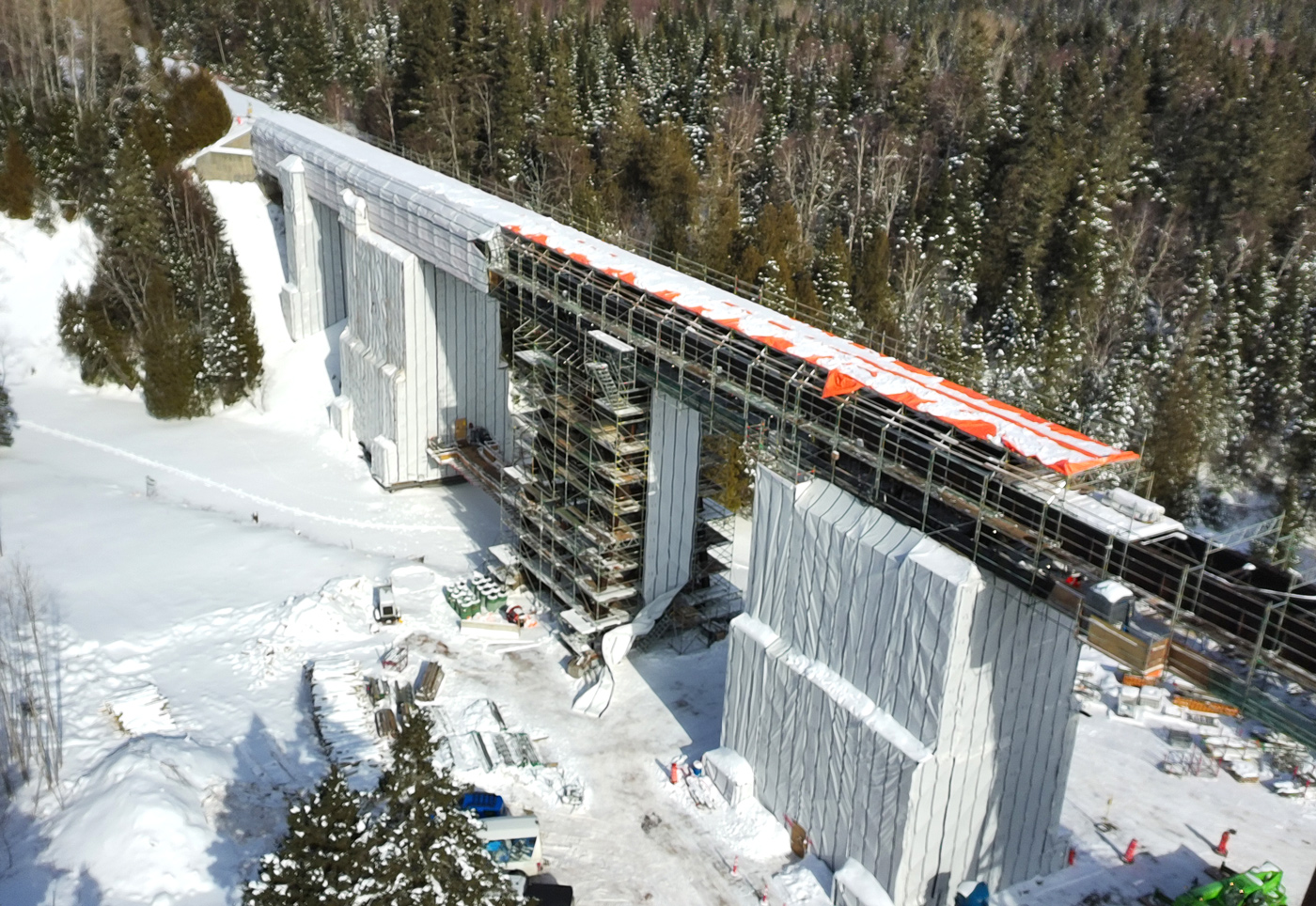
Keep Your Construction Sites Safe This Winter
Don't let the cold slow down your projects. Action Scaffold Services offers two sturdy solutions to secure your scaffolding:
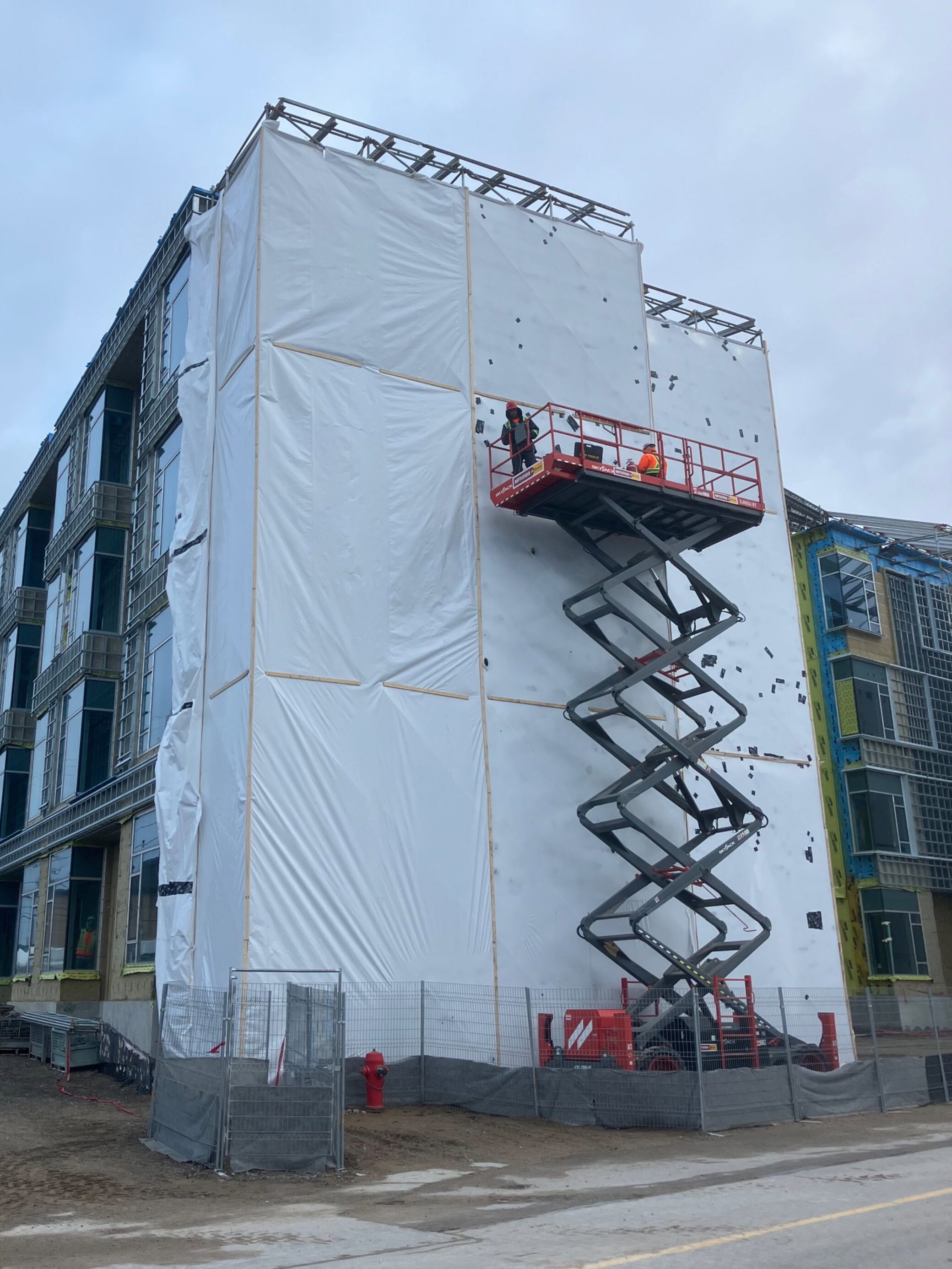
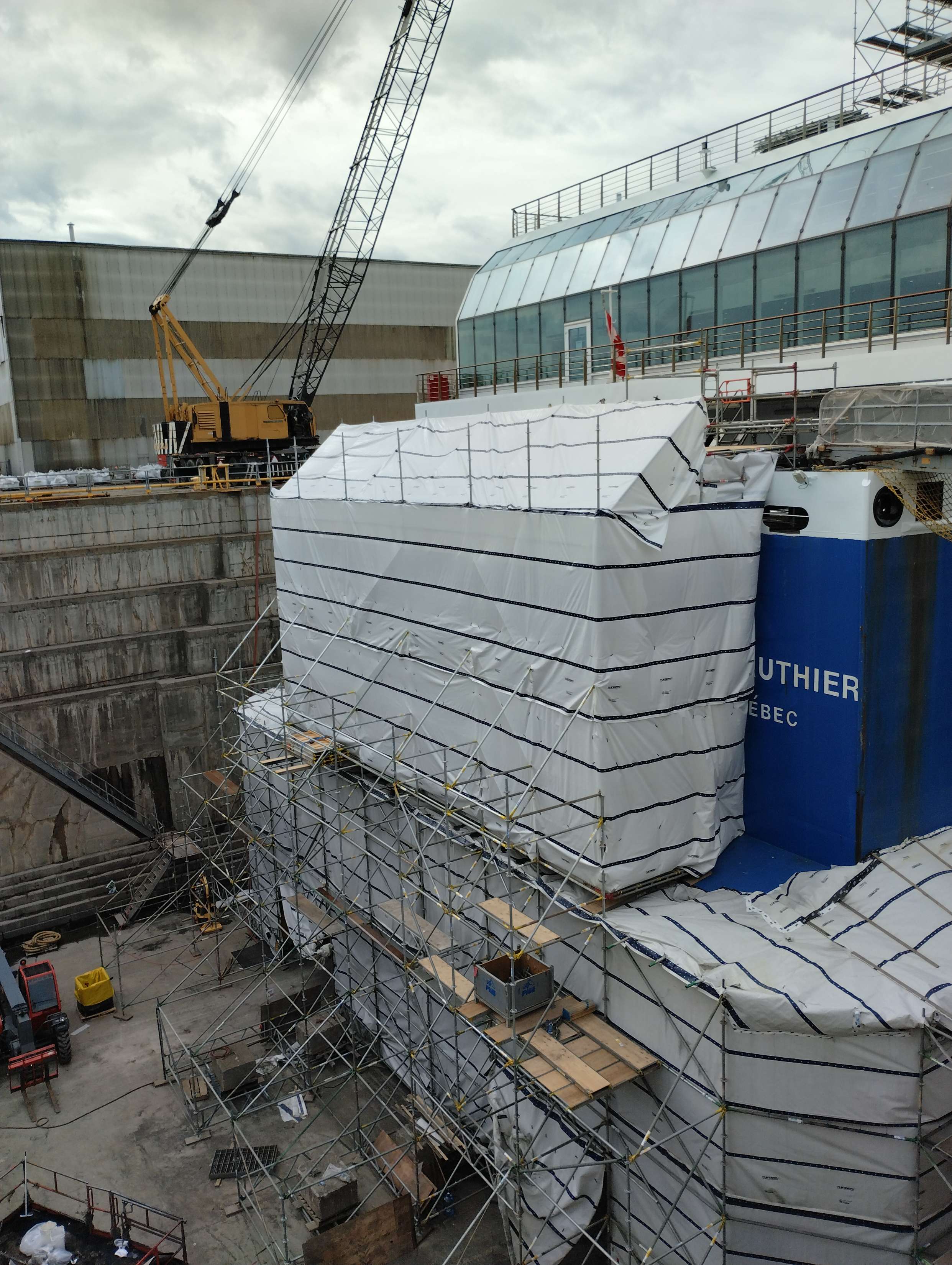
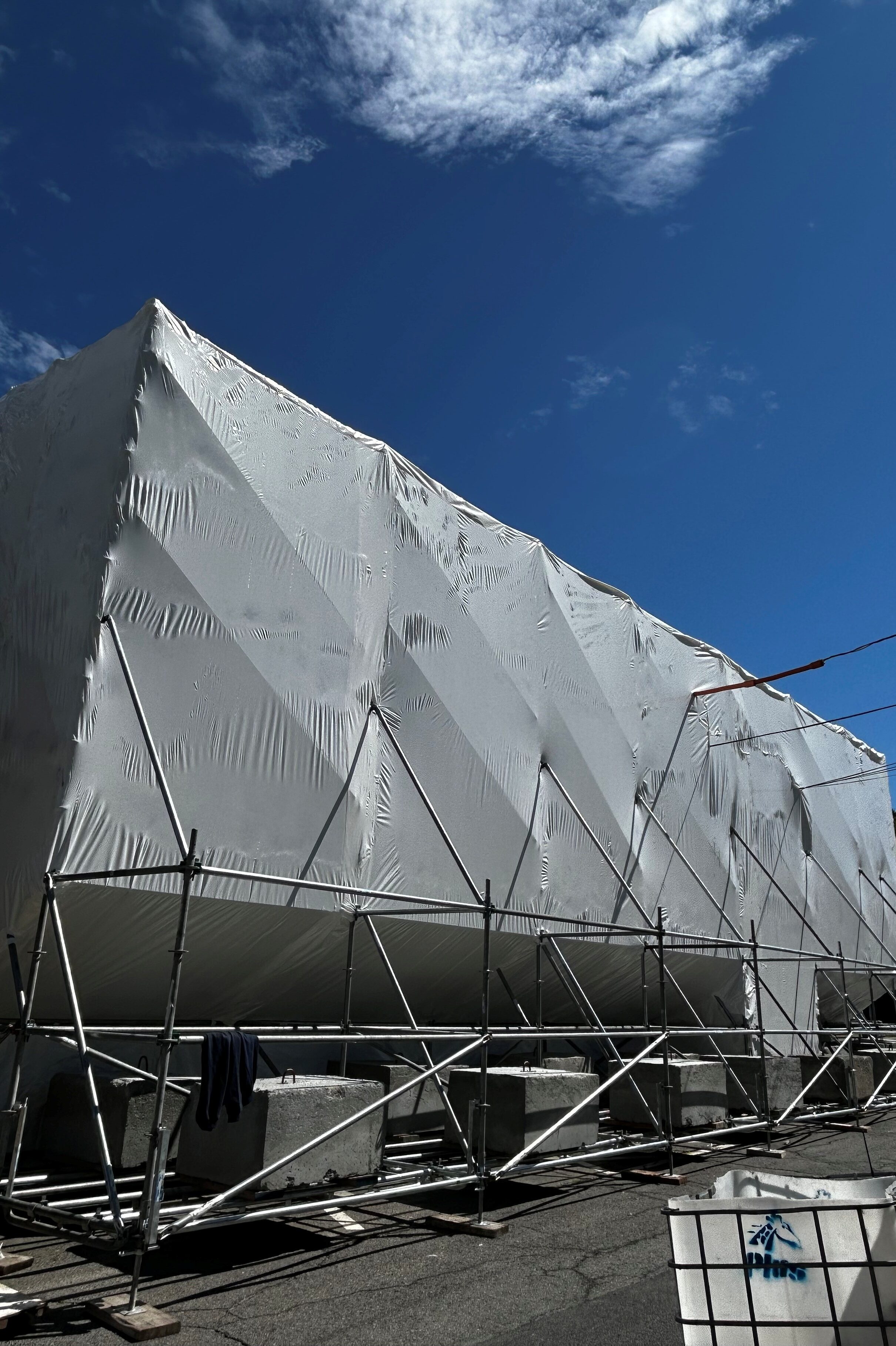
- Shrink wrap: heat-shrinkable film for maximum sealing
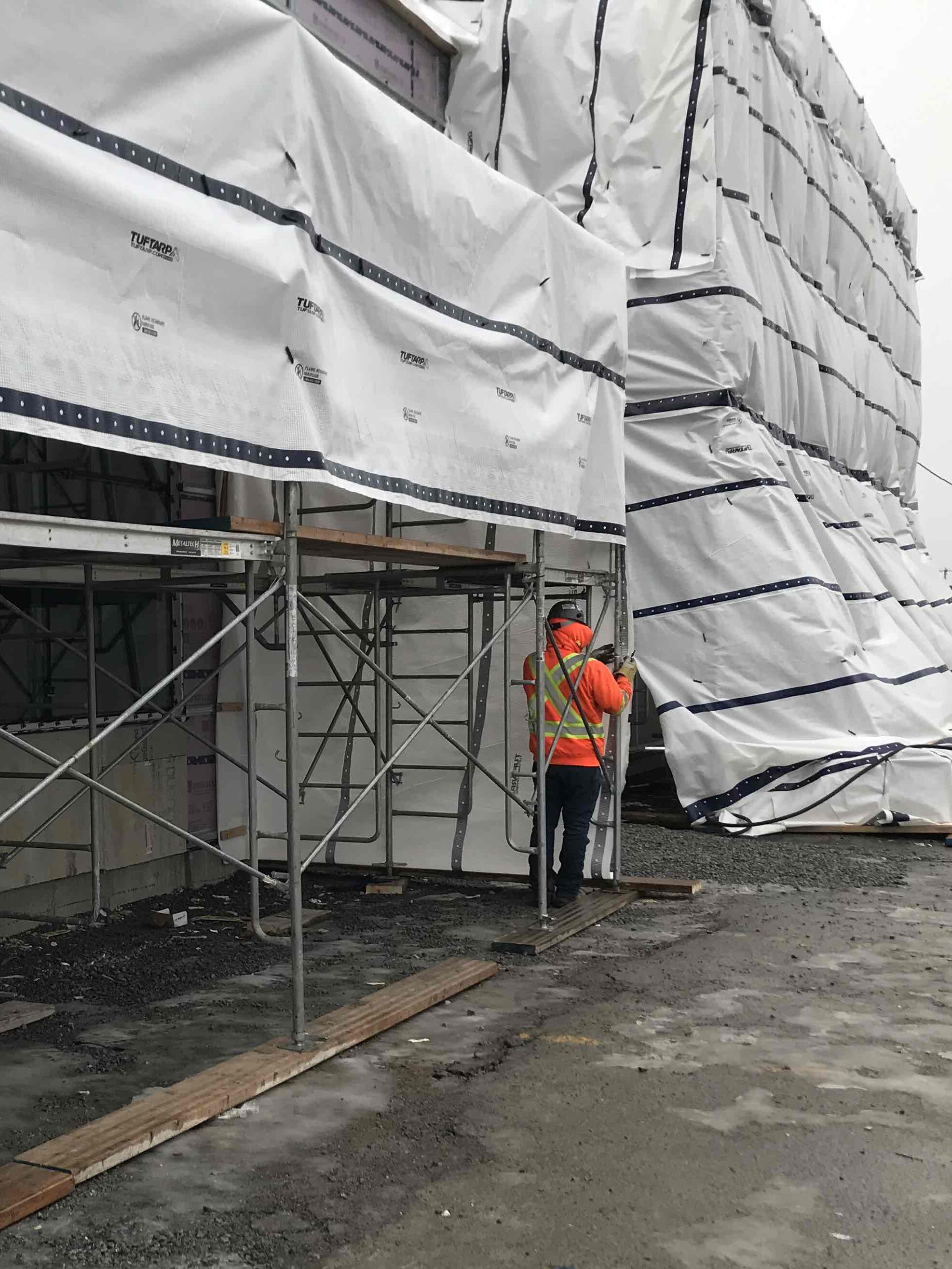
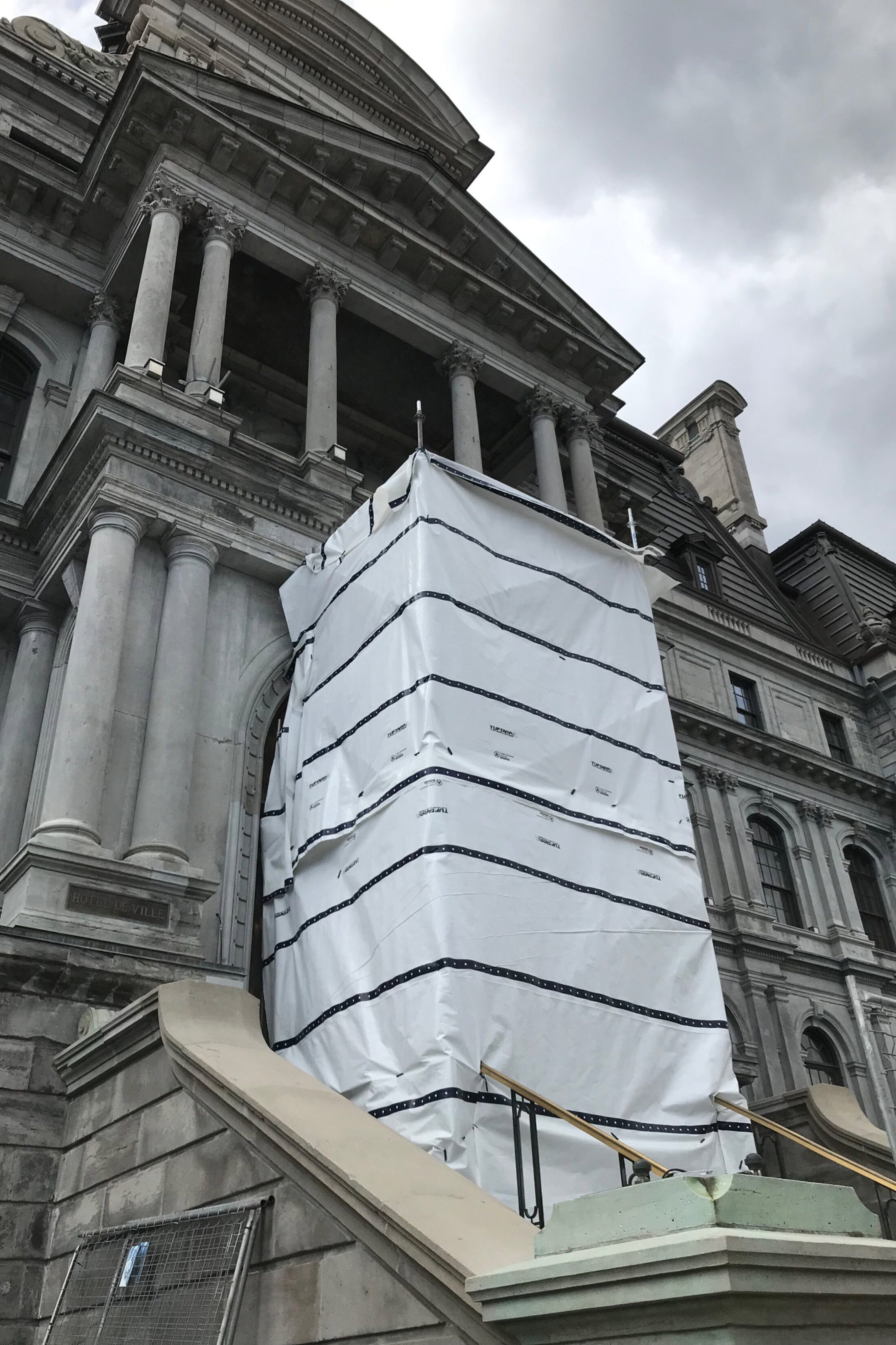
- Tuftarp: a reusable, cost-effective technical fabric
Discover their benefits, learn how to combine them, and take advantage of a free technical consultation to choose the ideal solution.
Why Should You Protect Your Scaffolding This Winter?
- Stay on schedule despite the freezing temperatures, snow, and rain.
- Set up a heated shelter for delicate work (painting, masonry, concrete work, insulation, etc.).
- Protect your fragile materials and equipment from moisture and cold.
- Improve the comfort and safety of your teams.
Our Solutions for a Safe Construction Site
Shrink Wrap – Waterproofing and Durability
What is it?
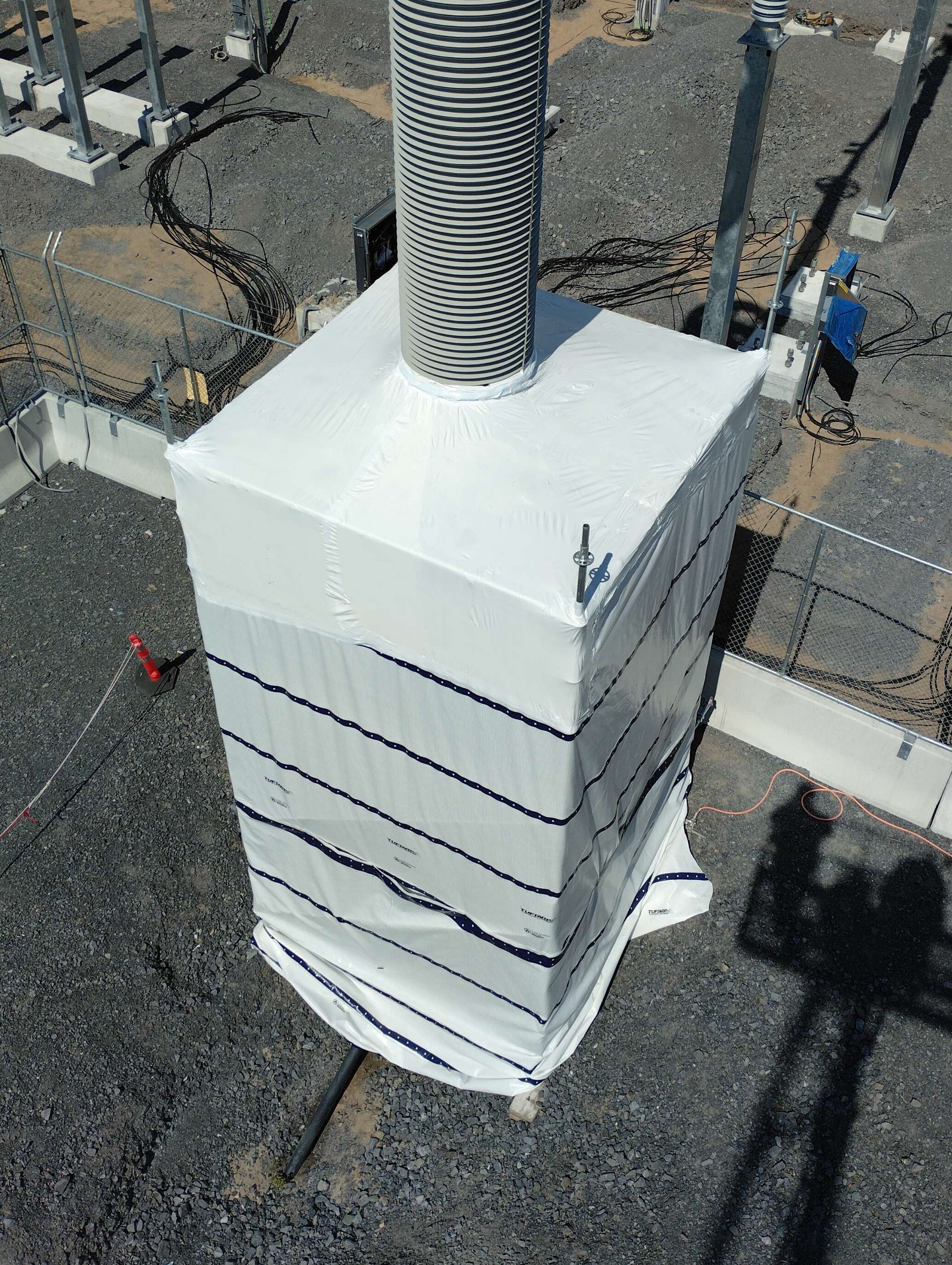
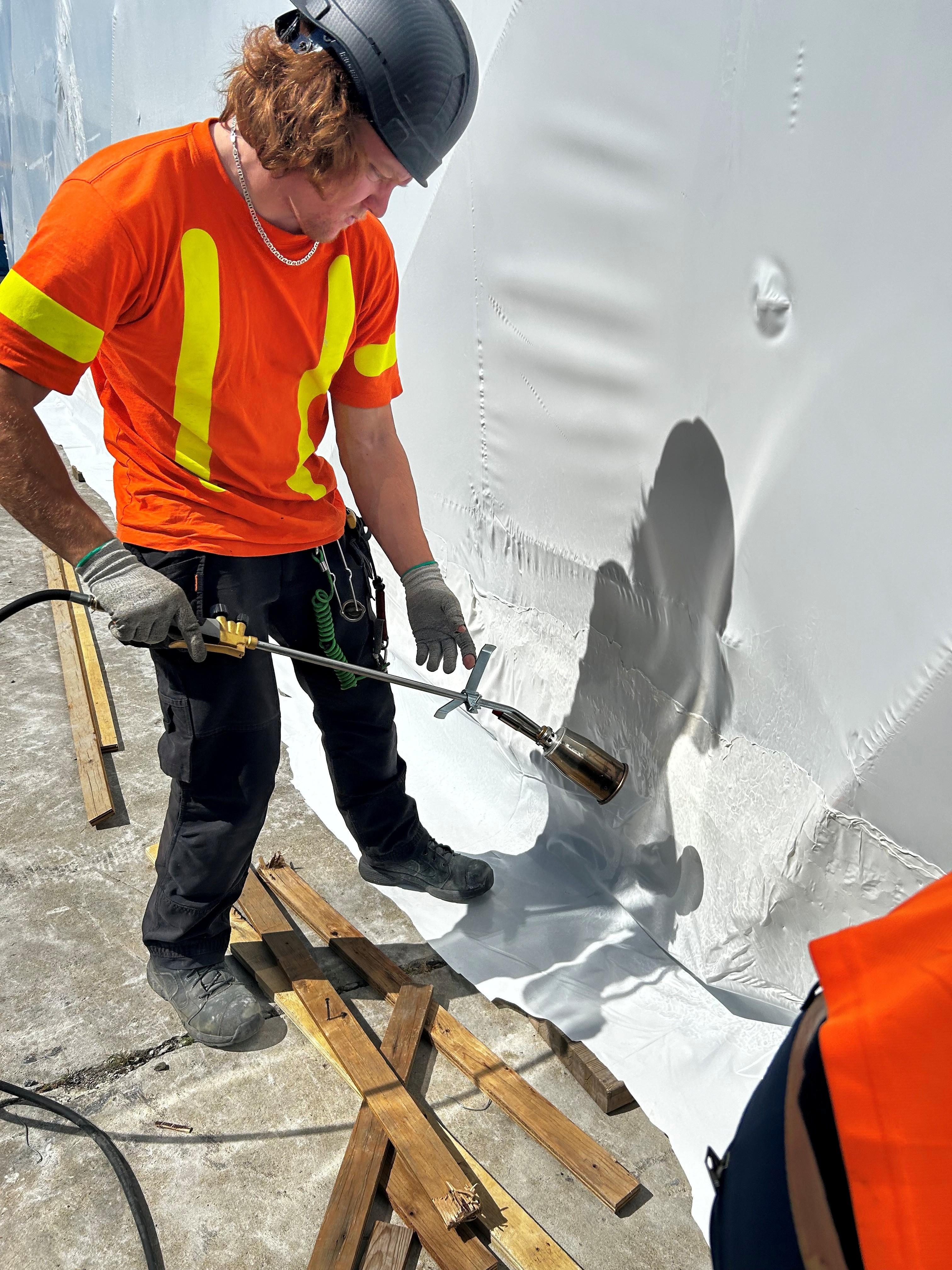
A heated plastic film that shrinks to form a perfectly sealed membrane around the structure.
Benefits:
- Perfect sealing for sensitive operations (e.g., decontamination).
- A large, seamless sheet (up to 45 ft (13.7 m)).
- Ideal for long-term projects (3+ months).
- No flapping in the wind: less wear and tear on the equipment and greater stability.
Note:
- Not reusable.
- Technical installation requiring ventilation and heating.
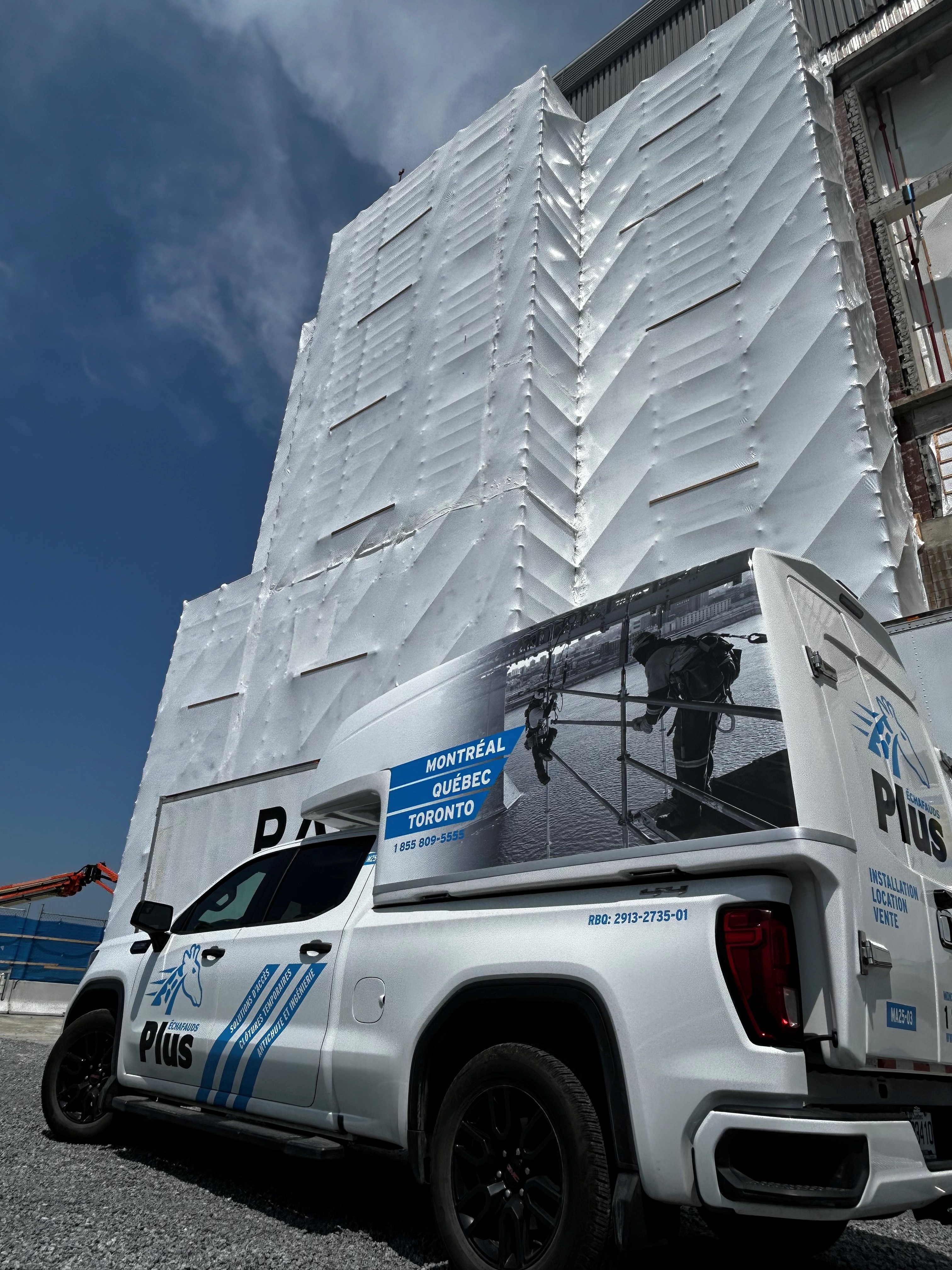
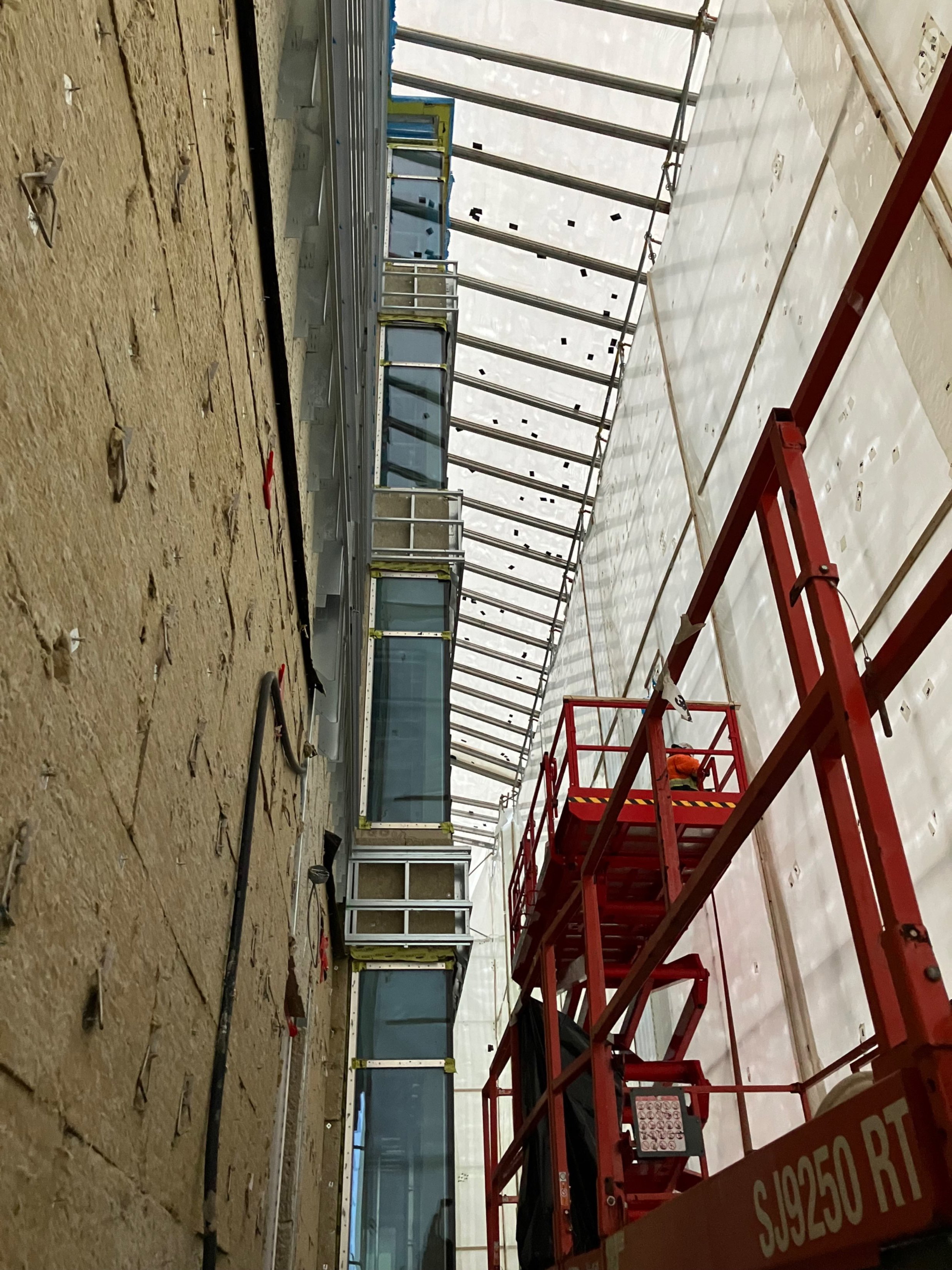
Tuftarp – Affordable and Reusable
What is it?
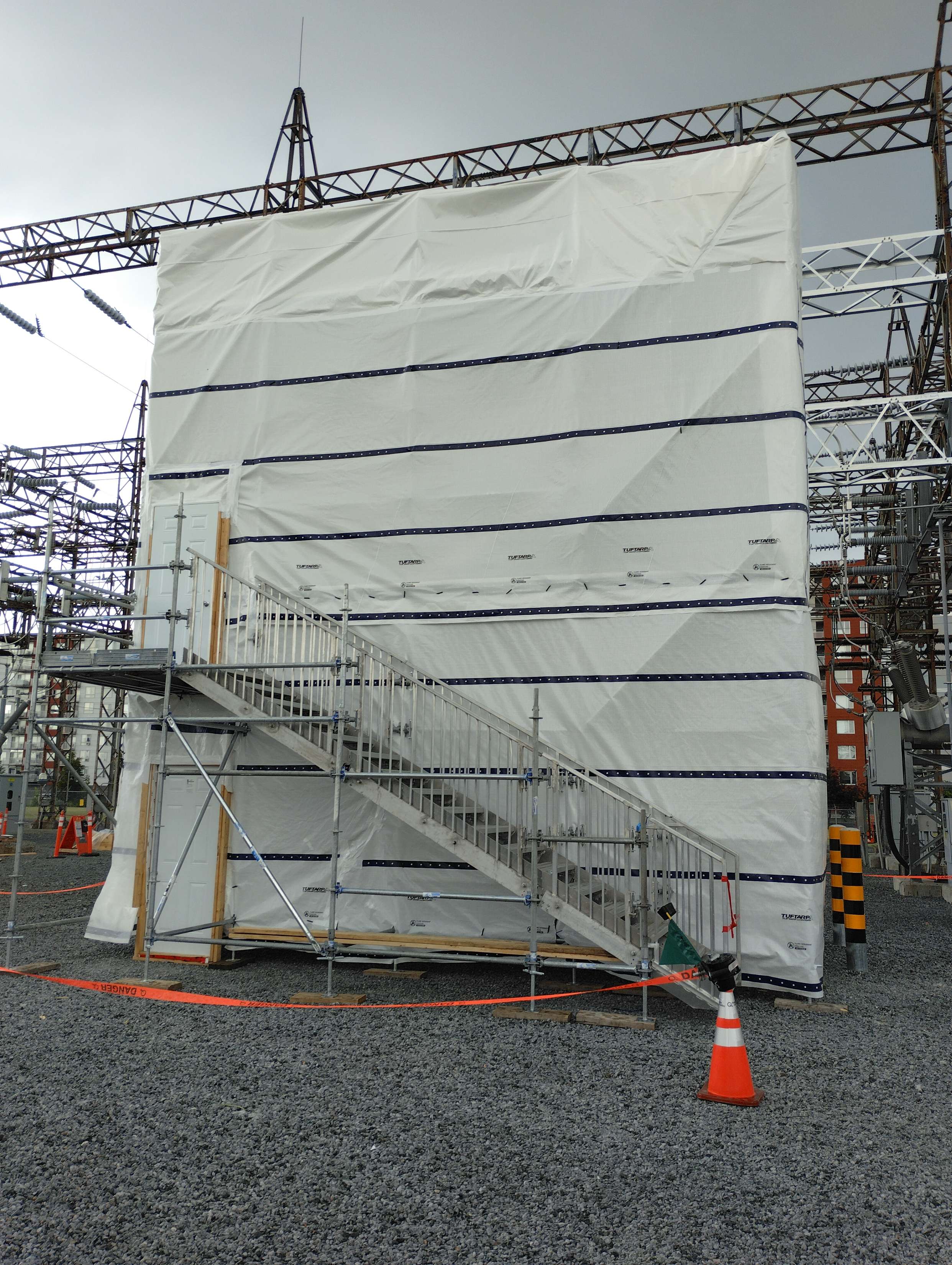
A sturdy tarp designed to be secured to scaffolding using elastic straps.
Benefits:
- Quick installation from the inside (fewer external components).
- More cost-effective than shrink wrap.
- Reusable for multiple construction projects.
- Easy to transport (compact roll measuring 78 in. L x 9 in. dia., 69 lb.).
Note:
- Less airtight than shrink wrap.
- Flapping in the wind: Regular inspections are necessary.
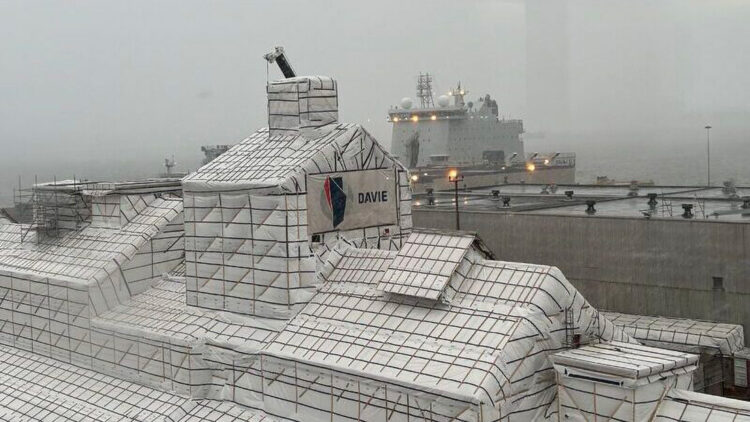
Hybrid solution: the best of both worlds
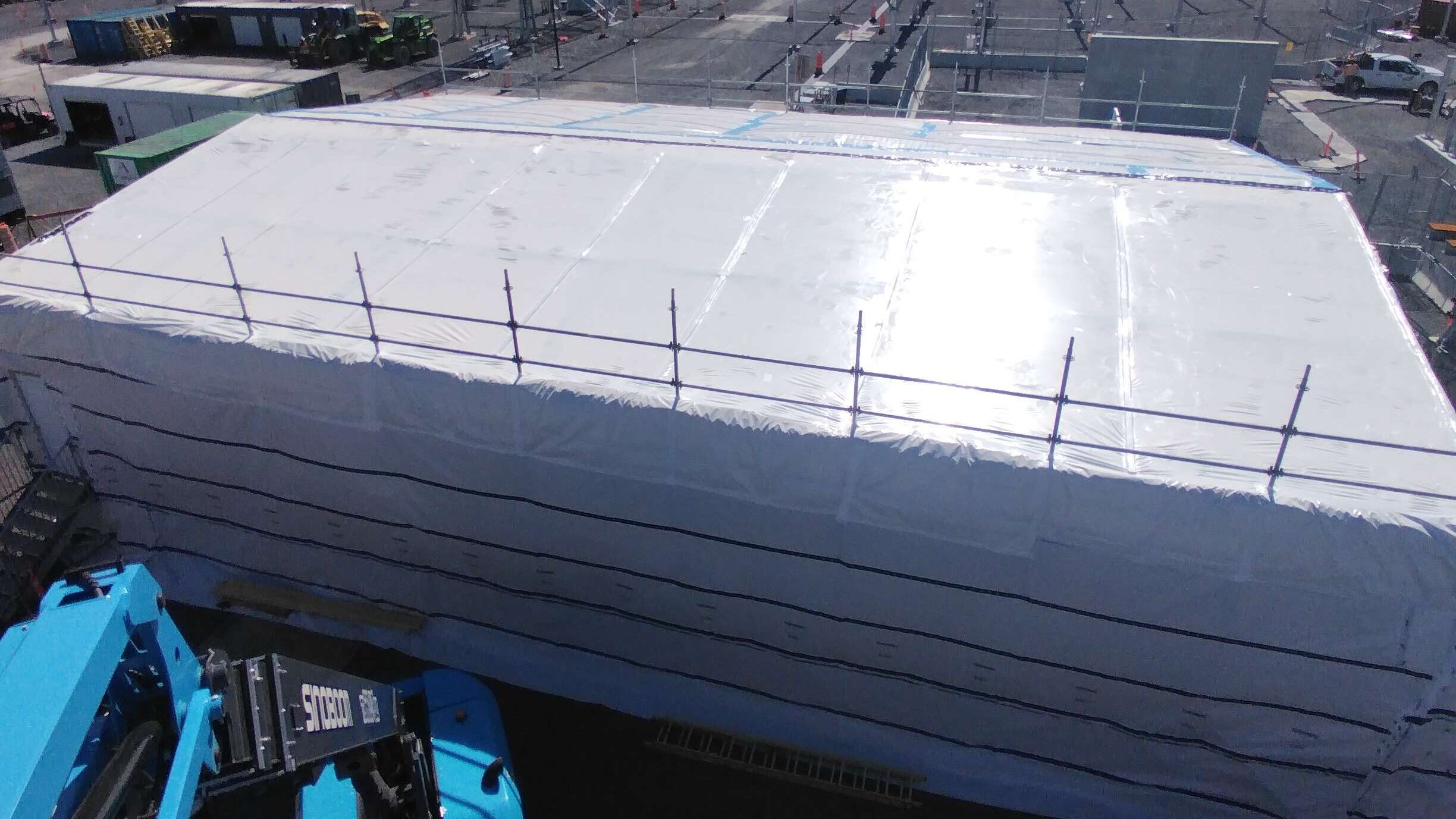
You can also combine both solutions! For example: a shrink wrap roof (maximum waterproofing) and Tuftarp sides (quick and economical installation).
Advantage: a roof that is completely watertight + reduced costs and lead times.
Which solution should you choose?
The best option will depend on the scaffolding configuration, the duration of your project, and the nature of the work.
Take advantage of a free technical inspection to receive personalized recommendations.
Engineering: Why It's Required
Installing a tarp on scaffolding requires a technical assessment to prevent overloading and ensure compliance with CSA Z797-18. Even light winds can create a parachute effect by entering a tarp structure, compromising the safety of workers and the stability of the structure.
Our engineers:
- Assess the loads and anchors and reinforce the structure if necessary.
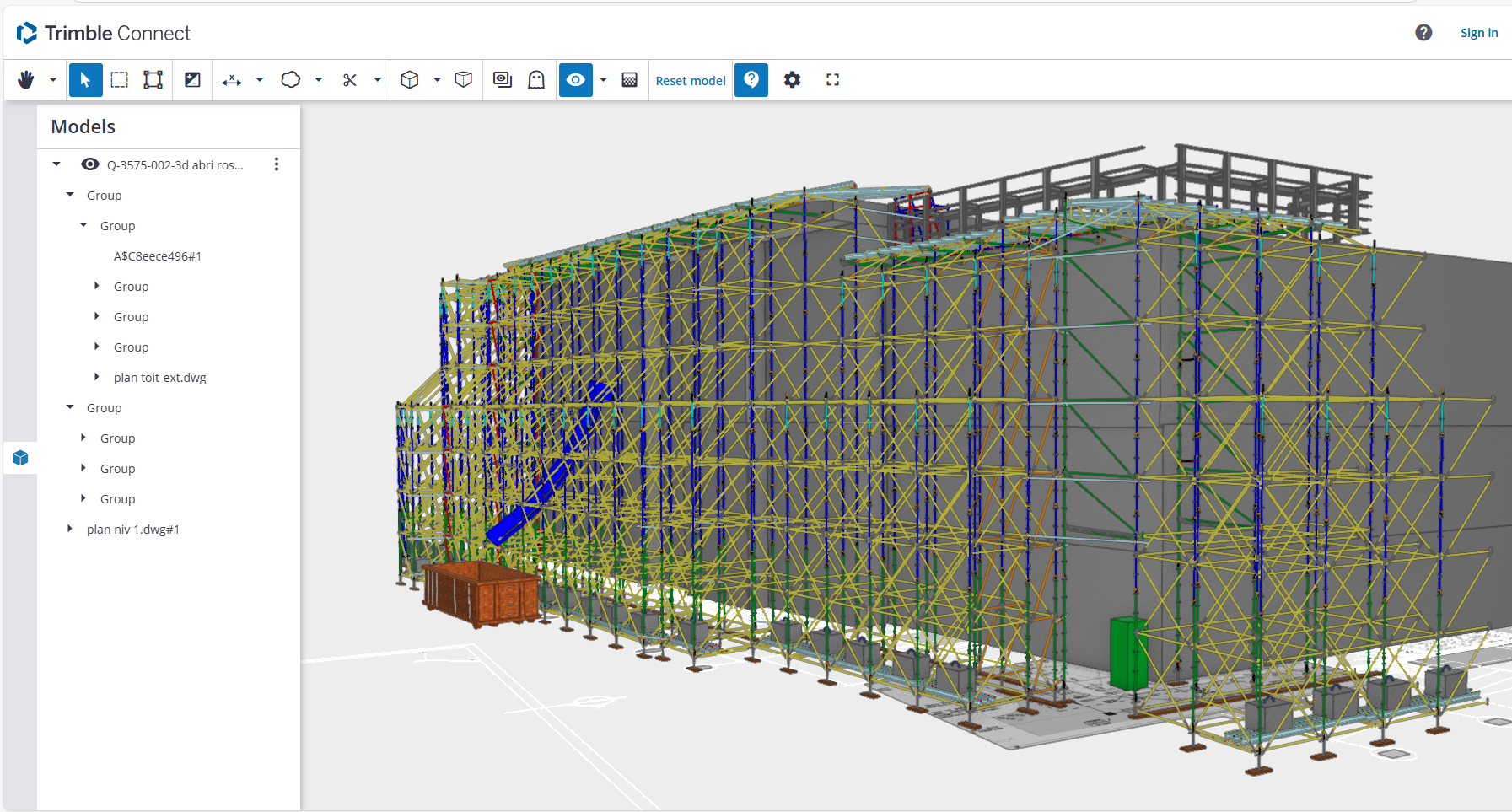
- Provide 3D drawings, calculations, and certificates.
Without an engineering study, there can be no safe installation.
Installation, Maintenance, and Safety
Installation
- Free technical consultation: Our representative will assess the site and recommend a solution.
- Engineering study: calculations and 3D drawings of the necessary structural modifications.
- Structural preparation: modifications according to the plans (e.g., reconfiguration of corners, addition of anchors and reinforcements, bracing for the shrink wrap, etc.).
- Installation:
- Shrinkwrap: Two-step installation by our qualified technicians:
- Installing the canvas
- heating for sealing
- Tuftarp: Set up by our qualified installers or by your own team using the included elastic straps.
- Shrinkwrap: Two-step installation by our qualified technicians:
- Inspection and/or certification: depending on the situation, a visit by an inspector or engineer to verify compliance.
Inspections and Maintenance
- Recommended daily inspection: Check fasteners, tension, anchor points, and for tears, especially after high winds or severe weather. As with any scaffolding, a formal inspection is required at least every 3 months.
- Safety Precautions During Work: Be aware of the risk of perforation when cutting or handling sharp tools (X-Acto knives, sanders, blunt tools).
- Repairability: Both solutions can be repaired in the event of damage (using parts or adhesive tape, through targeted repairs); a maintenance plan is recommended.
Heating and Ventilation
A heated shelter requires adequate air exchange. For a shrink-wrapped (sealed) shelter, mechanical ventilation and carbon monoxide (CO) detectors must be installed if combustion heaters are used.
Comparison Chart
| Features | Shrink Wrap | Tuftarp |
| Type | Polyethylene film | Polyethylene mesh |
| Dimensions | 20–45 ft x 100 ft | 13 ft x 100 ft |
| Thickness | 9 MIL (230 µm) | 9 MIL (230 µm) |
| Waterproofing | Maximum | Good |
| Reusable | No | Yes |
| Opacity | 100% | 100% |
| UV resistance | Yes; 5% inhibitors | Yes; 5% inhibitors |
| Fire resistance | Fire-retardant | Fire-retardant |
Ready to protect your construction site?
Legal Notice
The recommendations on this page are general in nature. All installations must comply with local standards and applicable safety regulations.